



Smart Street Lighting System
With the continuous development of IoT technology, wireless communication has been widely used in various fields. LoRa is a low-power, long-range wireless communication technology, and LoRa MESH is a self-organizing network communication protocol based on LoRa technology. Simply put, LoRa MESH is a MESH networking solution based on LoRa transmission.
Hardware
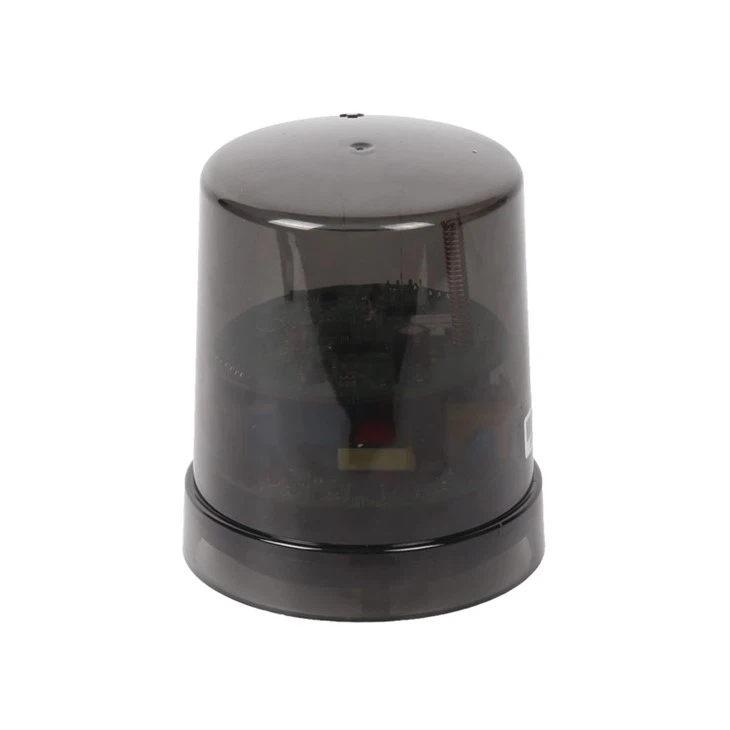
street light with NEMA or socket, single street light controller, gateway, Integrated loramesh driver
Software
street light management platform/app, cloud

Parameters
|
Model Name |
XL J11PN2-RF-XXX |
||||
|
Max. Power Consumption |
1.3 W |
||||
|
Input Voltage |
100-277V |
||||
|
Frequency |
50/60Hz |
||||
|
RF |
ISM Band433/470/868/915 MHz |
||||
|
Modulation |
FSK/LoRa/OOK |
||||
|
Receiver Sensitivity |
-142dBm@SF=12, BW=125HZ |
||||
|
-136dBm@SF=10, BW=125HZ |
|||||
|
-126dBm@SF=7, BW=125HZ |
|||||
|
RF Tx Power |
Max +18 dBm |
||||
|
Network |
Mesh >500m each Hop |
||||
|
Max Hop |
7 |
||||
|
Max Load |
1000W |
||||
|
Antenna Gain |
2 dBi |
||||
|
Dimming Interface |
DAC 0-10V |
||||
|
Connectors (In/Out) |
Leads 5P, NENA Socket |
||||
|
Housing |
Solid plastic case, IP66 |
||||
|
Weight |
0.3 kg |
||||
|
Surge Protection |
10 kV |
||||
|
Size (L x W x H) |
Ø94x97mm |
||||
|
Weight |
0.3 kg |
||||
|
Operating Temperature |
-40°C ~ 85°C |
||||
|
Certificate |
CE-RED, FCC |
LoRa MESH: The coverage of the entire MESH network is greatly enhanced by using advanced LoRa modulation.
Ultra-large network capacity: Up to 65,535 networks can theoretically exist.
Decentralization: Only two types of nodes, terminal and routing nodes, make up the entire network, and no coordinator or central node is needed to participate in network management.
Automatic routing: Each routing node can automatically establish a connection with the surrounding nodes when it receives a data request, eliminating the need for a coordinator to assist in path planning.
Network self-healing: After many tries at communication, the routing node re-establishes a fresh path in the event of a connection failure.
Additional features include encrypted communication, multiple verification, avoidance mechanisms, multi-level routing, path optimization, and remote configuration.
do you have any question?How can street lights be intelligently controlled and what features are needed?

First, we need a street light with a 5-pin or 7-pin NEMA socket or Zhaga socket. We must install a Zigbee or Lora single street light controller on the NEMA or Zhaga socket.
The cutting surfaces on a vertical end mill bit (are for milling ) are on its sides , designed for cutting horizontally , a drill bit ( are for drilling ) cutting surface is at its tip , designed for cutting vertically downward .. you'll notice a end mill usually has a flat on the end of the bit .
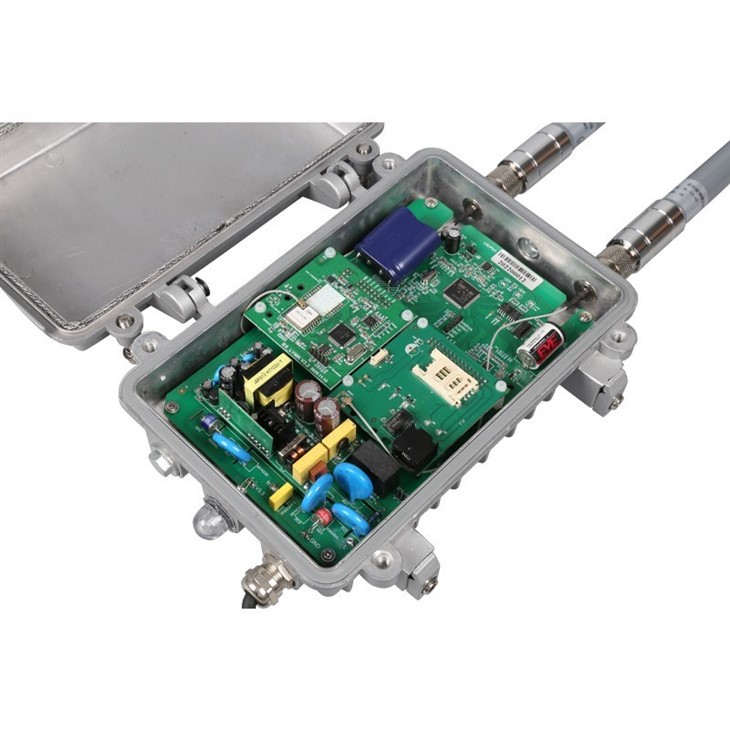
Second, we must install a gateway in the desired location with these connections. The gateway needs to have a GPRS/3G/4G/WIFI/Ethernet connection.
The cutting surfaces on a vertical end mill bit (are for milling ) are on its sides , designed for cutting horizontally , a drill bit ( are for drilling ) cutting surface is at its tip , designed for cutting vertically downward .. you'll notice a end mill usually has a flat on the end of the bit .
Finally, you should gain network access to the entire street light system, which will allow you to monitor and control lighting performance automatically or manually.
The cutting surfaces on a vertical end mill bit (are for milling ) are on its sides , designed for cutting horizontally , a drill bit ( are for drilling ) cutting surface is at its tip , designed for cutting vertically downward .. you'll notice a end mill usually has a flat on the end of the bit .
After completing these steps, you can change the settings on the platform, and then the gateway sends a signal to the Zigbee or Lora single-light controller, and the street light receives the signal from the single-light controller to perform actions (dimming, on/off, etc.).
The cutting surfaces on a vertical end mill bit (are for milling ) are on its sides , designed for cutting horizontally , a drill bit ( are for drilling ) cutting surface is at its tip , designed for cutting vertically downward .. you'll notice a end mill usually has a flat on the end of the bit .

(With a user name and password, you can use any web-enabled device-a desktop computer, laptop, tablet, or smartphone-to access the Smart Central Management System. An intuitive and user-friendly experience is provided by the responsive interface, which adjusts to the size of the screen.)
Honor and qualification
Official certification, professional after sales service.

Certificate name

Certificate name

Certificate name

Certificate name

Certificate name
People also ask
Q: What is LoRa MESH?
Q: What is Self-Organizing Network Features?
Q: Which functions can be achieved by smart street lighting control?
According to the season, automatically switch lamps and lanterns
In special weather, turn on the lights in advance
According to the ambient illuminance, automatically switch on/off lamps and lanterns
Q: Do I need to replace the existing street lighting facilities?
Q: What benefits does the outdoor smart control system bring to urban management?
Q: Is the smart control system applicable to different types of street lights?
Previous
LoRa Smart LED DriverYou Might Also Like


Send Inquiry